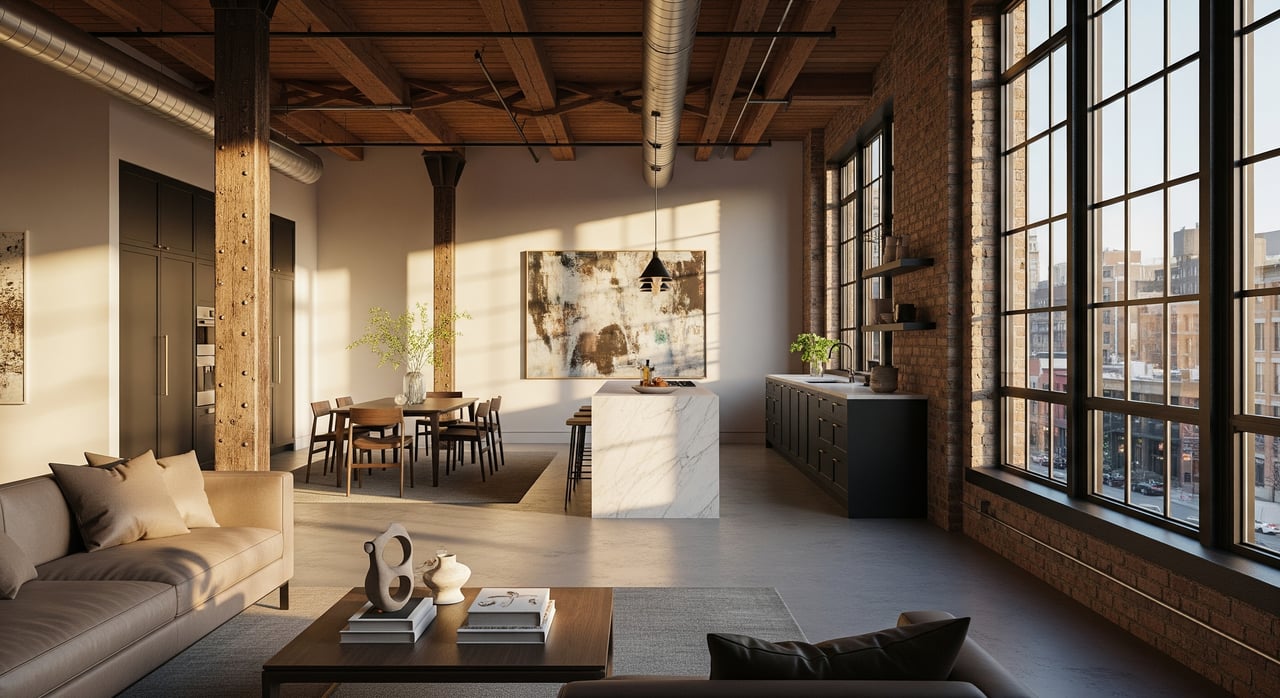
Dreaming of sky-high ceilings, brick walls, and warehouse windows in Tribeca? You’re not alone. Many buyers love the character and volume you only find in historic lofts, but the details can feel complex when you start comparing buildings, legal statuses, and renovation needs. This guide breaks down how Tribeca lofts are built, valued, renovated, and resold so you can focus on the homes that truly fit your goals. Let’s dive in.
What defines a Tribeca loft
Tribeca’s lofts largely come from 19th- and early 20th-century commercial buildings that were converted to residential use over time. You’ll see everything from raw floor-through spaces to turnkey, full-service luxury lofts. Layouts range from single-level floor-throughs to duplex and triplex units with mezzanines.
Common types you’ll find:
- Full-floor lofts with large, open footprints and flexible bedroom areas.
- Duplex or triplex lofts with internal stairs and dramatic sightlines.
- Raw lofts with minimal finishes and exposed structure for customization.
- Finished luxury lofts with modern kitchens, baths, HVAC, and building services.
Ownership: co-ops, condos, condops, legal lofts
Many early conversions became co-ops. Co-op boards typically review finances, renovation plans, and subletting policies. Condos and condops generally offer more flexibility for financing and rentals, which appeals to many investors and non-local buyers.
Legal status matters. Confirm whether the unit has a residential Certificate of Occupancy or is recognized as a legal residential loft under New York’s loft regulations. Legal status affects financing options, insurance, and resale. You can verify this history through the NYC Department of Buildings and the NYC Loft Board. If a building is in a landmark district, the Landmarks Preservation Commission may govern exterior and window changes, which affects renovation planning.
Ceiling height, light, and layout
Ceiling height is a major driver of value and enjoyment. As a general guide, buyers often view 10–12 feet as desirable, 12–15 feet as very desirable, and more than 15 feet as exceptional. Natural light and large industrial windows can amplify that feeling of volume.
Layout also matters. Efficient two-bedroom floor-throughs can trade differently than vast open plans with movable partitions. Appraisals can be trickier for unusual layouts, so expect lenders to scrutinize comps and building details.
Amenities and tradeoffs
Consider how you live day to day and what you want to carry monthly.
Raw and industrial-style buildings:
- Pros: larger open spaces, authenticity, and often lower monthly charges.
- Cons: more renovation work, fewer services, and a narrower resale audience.
Full-service buildings:
- Pros: doorman, gym, on-site management, storage, and sometimes parking. Broader buyer pool and investor appeal.
- Cons: higher common charges and purchase premiums.
Outdoor space can be a significant premium. Private terraces, roof areas, or setbacks typically add demand and value.
Renovations: scope, timing, and costs
Older lofts often need systems updates along with design upgrades. Common projects include:
- Space planning and structural coordination to add or remove partitions and create bedrooms or offices.
- HVAC modernization, often mini-split or central air, plus new ductwork and insulation.
- Kitchen and bath gut remodels, plus updated plumbing and electrical panels.
- Window restoration or replacement, soundproofing, and life-safety improvements like sprinklers and egress.
Timelines vary by scope. Cosmetic upgrades may take weeks to a few months. Full gut renovations that include kitchens, baths, MEP systems, and windows can span several months to 9–12 months or more. Permits, co-op or condo alteration approvals, and any landmark reviews can extend schedules. Manhattan renovation costs are typically higher than national averages, so obtain multiple bids and include a contingency, often 10 to 20 percent or more, for hidden conditions and code-related work.
Your professional team may include an architect, licensed general contractor, structural and MEP engineers, an expeditor for filings, and an interior designer. Always confirm building alteration rules and approval steps before design finalization.
Pricing drivers that matter most
Tribeca’s pricing is shaped by several core factors:
- Size and layout: Large, contiguous floorplates and floor-throughs tend to command premiums.
- Ceiling height and windows: Higher ceilings and bigger industrial windows usually increase price and buyer interest.
- Legal status and C of O: Clear residential status supports broader financing and resale.
- Finishes and systems: Modern kitchens, baths, HVAC, and soundproofing capture value; outdated systems discount pricing.
- Outdoor space: Private terraces or roof access are highly prized.
- Building and services: Full-service buildings sell at higher price points but carry higher monthly costs.
- Location within Tribeca: Proximity to parks, transit, and dining can influence demand.
- Scarcity and trophy elements: Authentic historic features and unique architectural details can drive collector-level pricing.
Appraisals can be conservative when comps are limited. If a layout is unusual, work with your agent and lender early to anticipate underwriting questions.
Resale dynamics and liquidity
Units with legal status, modern systems, and convenient amenities generally sell faster and closer to ask. Outdoor space and standout ceiling heights often deliver the strongest premiums. Extremely raw or highly unconventional layouts can be coveted by a smaller buyer segment, which may lengthen time on market. In the upper price brackets, marketing strategy and positioning are critical to reach the right audience.
For improvements, kitchens, baths, and core systems tend to deliver stronger returns than strictly cosmetic changes. Quality execution and documentation support future resale.
How to shop smart in Tribeca
Use this quick checklist to focus your search and avoid surprises:
- Clarify your wish list: ceiling height targets, number of bedrooms, need for full-service amenities, and outdoor space.
- Confirm legal status: review the Certificate of Occupancy or legal loft status and understand implications for financing and insurance.
- Review building rules: co-op sublet policies, condo guidelines, and any renovation restrictions or alteration agreements.
- Assess systems and envelope: age of HVAC, electrical capacity, plumbing stacks, window condition, and soundproofing.
- Estimate renovation scope: align design goals with budget and timeline, and factor in permit and landmark approvals if applicable.
- Model carrying costs: compare co-op maintenance to condo common charges, including taxes and reserves.
- Plan financing early: speak with lenders experienced in Manhattan lofts, especially for unconventional floorplans.
- Think resale: prioritize ceiling height, light, legal clarity, outdoor space, and modern systems to broaden your future buyer pool.
The bottom line
Tribeca’s loft market rewards clarity. If you define your must-haves, verify legal and building details, and budget smartly for renovations, you can secure a space that feels both dramatic and livable. Whether you prefer a raw canvas or a turnkey, full-service home, the right guidance can save you time and help you act with confidence.
Ready to refine your Tribeca loft plan? Connect with Devra Miller for design-informed advice, curated tours, and a clear path from shortlist to closing.
FAQs
What ceiling height is considered “good” in Tribeca lofts?
- Many buyers view 10–12 feet as desirable, 12–15 feet as very desirable, and more than 15 feet as exceptional, with light and window size influencing the premium.
How does legal status affect financing on a Tribeca loft?
- A residential Certificate of Occupancy or recognized legal loft status generally improves mortgage options, insurance, and resale, while unclear status can limit lenders.
Are raw Tribeca lofts actually cheaper overall?
- Raw lofts can trade at lower prices per square foot, but you should add renovation cost and time; the true value is purchase plus improvements and timeline.
How long do major Tribeca loft renovations take?
- Expect several months to 9–12 months or more for full gut projects, with timing driven by scope, building approvals, permits, and contractor availability.
Which amenities improve resale in Tribeca loft buildings?
- Legal clarity, modern systems, outdoor space, higher ceilings, and convenient services like a doorman and gym typically broaden buyer appeal and support pricing.
