Torn between West Village and SoHo? You’re not alone. Both are iconic Downtown neighborhoods with rich history, beautiful architecture, and premium price tags. The right choice depends on how you live day to day, from the kind of home you want to the energy on your block. In this guide, you’ll compare architecture, ownership types, pricing patterns, food and retail, transit, and noise, then use a simple scorecard to pick your best fit. Let’s dive in.
Quick neighborhood snapshot
West Village sits roughly from Houston Street to 14th Street and from the Hudson River to about Sixth Avenue. Streets are irregular and charming, with many small blocks and tree-lined stretches. SoHo lies roughly from Houston Street south to Canal Street and from Crosby or Lafayette to around West Broadway or Varick. Exact boundaries vary by source, so for property-specific clarity, check the NYC Landmarks Preservation Commission.
Architecture and lifestyle
West Village character
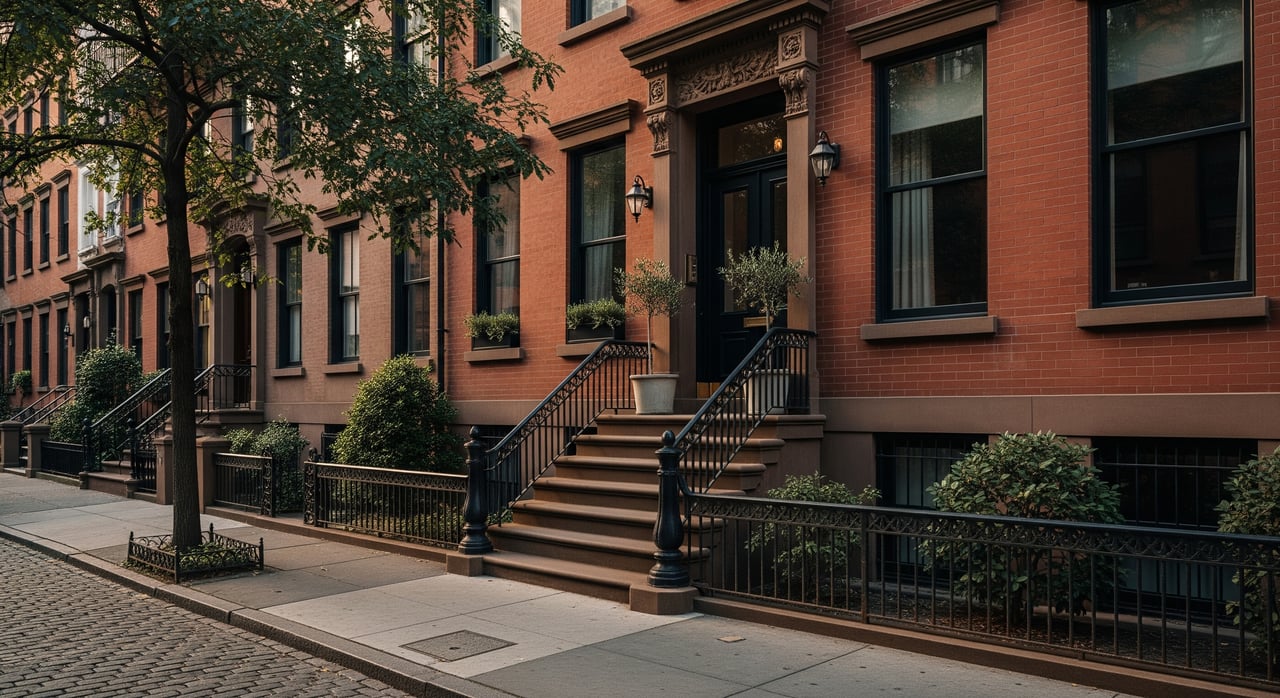
The West Village is known for 4–6 story brownstones and rowhouses, prewar co-ops, and townhouse conversions. Many blocks fall within historic districts, which helps preserve facades and the area’s intimate scale. Interiors tend to have traditional rooms and varied layouts rather than wide-open plans. If you like a quiet, residential feel with historic charm, this area typically delivers.
SoHo loft living
SoHo is celebrated for cast-iron buildings and former factories converted to spacious lofts. Expect higher ceilings, large windows, and open floor plans that feel airy and flexible. Streets have a strong retail presence at ground level, with more mixed-use activity throughout the day. If you want industrial character and larger, open layouts, SoHo often leads.
Ownership and building types
West Village inventory skews toward co-ops and townhouses, with some condos and newer development sprinkled in. Co-ops usually require board approval, have stricter subletting policies, and may prefer higher down payments. SoHo typically offers more condos and loft conversions, which often allow easier approvals and more flexible usage, though common charges in luxury buildings can be higher.
Buyer tip: Identify ownership form early. Co-ops and condos have different rules, timelines, and costs beyond the purchase price. Align the building type with how you plan to use the home.
Prices and market patterns
Both neighborhoods command premium pricing. SoHo frequently shows higher price per square foot for loft condos, especially large, full-floor residences with luxury finishes. West Village is also top-tier, especially for townhouses and well-located co-ops. Always compare like for like to get an accurate read.
Here’s how to compare fairly:
- Filter by property type. Compare condos with condos and co-ops with co-ops.
- Look at recent medians for price per square foot and days on market in neighborhood reports from StreetEasy Research and Douglas Elliman’s Manhattan sales reports.
- Use sold comps from the last 6–12 months, adjusting for floor, exposure, outdoor space, and amenities. You can verify recorded transfers on the NYC ACRIS portal.
- Factor monthly costs. Co-op maintenance can include underlying mortgage costs; condo common charges and property taxes vary.
Market conditions shift, so confirm current trends before you bid. Low inventory and niche product types mean pricing can change quickly.
Dining, retail, and daily rhythm
West Village dining
The West Village is known for intimate restaurants, neighborhood bistros, and cozy cafes. Dining here feels more local and reservation-driven, with smaller venues tucked into residential blocks. You’ll find a broad range of cuisines and longstanding spots vetted by guides like the MICHELIN Guide New York and coverage from outlets such as Eater NY.
SoHo energy
SoHo blends destination dining with flagship retail and boutiques, creating a distinct daytime buzz. Many blocks are deeply commercial, so expect more shoppers and visitors, especially on weekends. The restaurant scene trends stylish and high-profile, which can be a plus if you love being near the action. If you thrive on retail energy and foot traffic, SoHo usually delivers it in spades.
Noise and foot traffic
SoHo typically has higher daytime foot traffic and more weekend crowds thanks to shopping and gallery draws. That can mean more ambient noise from deliveries and visitors. The West Village generally skews quieter and more residential, though busy corridors like Bleecker and Hudson can be lively at night.
If noise is a top concern, compare blocks using complaint patterns and pedestrian counts. NYC publishes 311 complaint data on the NYC Open Data portal. Visit any short list of addresses at multiple times to judge the real feel.
Transit and walkability
Both neighborhoods score high on walkability and everyday convenience. Most homes sit within a short walk of multiple subway lines, giving you quick access to Midtown and Downtown job centers. For route specifics and maps, consult the MTA’s official maps. If you commute to Jersey City or Hoboken, consider PATH access from nearby Lower Manhattan stops and test your door-to-door time.
Buyer tip: For any address you’re considering, time your commute during peak hours. Walking time to the nearest station and transfer complexity can make a meaningful difference.
Parking and mobility
Street parking is limited, and many buildings do not include garages. Private garage parking can be scarce and expensive, so plan ahead if you need it. Many residents rely on subways, rideshare, bike share, and car-share options. Proximity to Citi Bike docks and garages can be a practical tie-breaker between two homes.
What to check when touring
- Ownership details: Confirm co-op vs condo vs townhouse. Review board rules, subletting policies, pet policies, and financing restrictions.
- Building health: Ask for co-op board minutes, reserve information, and any upcoming assessments. For new development, review the offering plan.
- Landmark status: If a property sits in a historic district, exterior changes are regulated. Confirm status with the Landmarks Preservation Commission.
- Noise and light: Tour weekday midday, weekday evening, and weekend midday to test crowd levels, sound transmission, and any restaurant exhaust or delivery activity.
- Lifestyle checks: Walk the immediate blocks to map grocery stores, pharmacies, fitness, green space, and typical delivery traffic.
Which fits you? A quick scorecard
Score each item 0–2 points. 0 means not important, 1 means somewhat important, 2 means very important.
- Space and layout preference
- Open lofts, high ceilings, flexible plan = SoHo
- Traditional rooms, townhouse charm = West Village
- Tourist and retail energy
- Comfortable with weekend crowds and daytime buzz = SoHo
- Prefer calmer, residential side streets = West Village
- Quiet priority
- Quiet, tree-lined block matters a lot = West Village
- Ambient retail noise is fine = SoHo
- Ownership flexibility
- Pied-à-terre or subletting flexibility matters = SoHo/condo
- Fine with board approval and stricter rules = West Village/co-op
- Commute specifics
- Need particular lines or quick access to a specific hub = Check exact addresses in both
- Architectural preference
- Industrial, cast-iron loft aesthetic = SoHo
- Brownstone, prewar character = West Village
How to read your results:
- Mostly loft, retail energy, and flexibility scores high: SoHo likely fits.
- Mostly quiet, residential feel, and co-op comfort scores high: West Village likely fits.
- Mixed results: Prioritize your two highest-scoring categories and compare listings that match those traits in both areas.
Next steps
Choosing between two outstanding neighborhoods is easier with a clear brief, live market data, and on-the-ground tours. If you want design-minded guidance, private FaceTime tours, or a side-by-side list of current co-op and condo options in both areas, reach out to Devra Miller. You’ll get concierge support tailored to your lifestyle and timeline.
FAQs
Which neighborhood is quieter at night?
- The West Village typically feels more residential and quieter overall, while SoHo sees more retail-driven foot traffic and weekend crowds; always visit candidate blocks at multiple times.
Where will I find larger loft layouts?
- SoHo often features larger, open-plan lofts with high ceilings and big windows, while the West Village leans toward traditional rooms in brownstones, townhouses, and prewar co-ops.
How should I compare price per square foot?
- Compare like for like by property type, and use recent neighborhood data from sources such as StreetEasy Research and Douglas Elliman’s Manhattan reports, then verify closed sales on ACRIS.
Are there landmark rules I should know?
- Yes. Many blocks in both neighborhoods are landmarked, which can affect exterior changes; confirm property status with the NYC Landmarks Preservation Commission.
Which is more resale-friendly: co-ops or condos?
- Condos, more common in SoHo, generally allow broader buyer pools and simpler approvals, while co-ops, common in the West Village, can be more restrictive; specifics vary by building.
How is transit access from each neighborhood?
- Both are well-connected with multiple subway options and short rides to key job centers; plan routes with the MTA’s official maps and time peak-hour commutes from each address.
