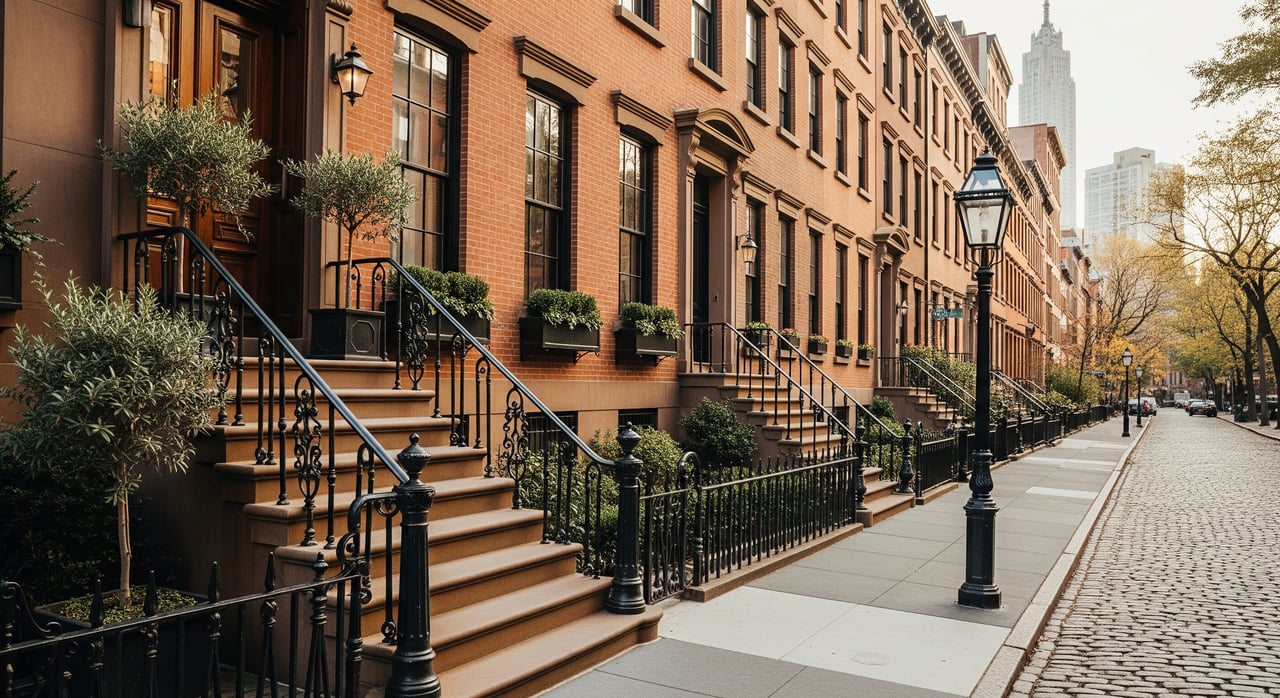
Imagine stepping onto a narrow, tree-lined street where brownstones glow in the morning light and the corner café knows your order. If you picture classic New York charm with modern convenience, the West Village delivers. Still, it helps to know the trade-offs before you fall for a stoop and a cobblestone block. In this guide, you’ll learn how the neighborhood feels day to day, what homes are like, how you’ll get around, and what to consider if you plan to rent or buy. Let’s dive in.
West Village at a glance
The West Village feels intimate and human-scaled. Streets are often narrow and walkable, with 19th-century rowhouses, small storefronts, and a curated mix of cafés and boutiques. Side streets are typically calmer, while major cross streets carry more energy.
Much of the area sits within historic districts, which helps preserve façades and streetscapes. If you plan exterior work, you will need to follow rules set by the city’s preservation agency. You can review guidance on applications and permitted work through the NYC Landmarks Preservation Commission.
Neighborhood boundaries vary by map, but a common working definition runs from Houston Street to 14th Street, from the Hudson River on the west to around Seventh Avenue or Varick Street on the east. For formal context, much of the area is within Manhattan Community District 2.
What homes look like
You’ll see a mix of brownstones and townhouses, prewar walk-ups, and a selection of co-ops and condos. Townhouses often have stoops, vertical layouts, and character details. Prewar buildings may offer high ceilings and moldings, with smaller kitchens and some layout quirks.
Co-ops are common for buyers and usually require a detailed application and board approval. Condos exist but are less prevalent and often trade at a premium for flexibility. You’ll also find loft-style or gut-renovated apartments in certain conversions.
Expect some trade-offs. Many buildings are walk-ups, so stairs are part of daily life. Heat is often via radiators. Air conditioning may be through window units in older buildings. Closet space and storage can be limited compared with suburban homes.
Pricing and the market
The West Village is a premium market with high demand and limited inventory. Both rents and sale prices tend to sit above Manhattan medians. Exact numbers shift month to month, so check current market reports and consult a local agent for real-time pricing and availability. If you love a particular block or building, be ready to act quickly.
Day-to-day rhythm
Part of the magic here is how you’ll run errands on foot. You’ll find small specialty grocers, neighborhood bodegas, cafés, bakeries, and boutiques across many blocks. Larger supermarkets sit within walking distance of many addresses, depending on where you land.
On Saturdays, residents stroll to the Abingdon Square farmers’ market area for produce and flowers. Space at home can be tight, so you may shop more often and buy smaller quantities. Many residents say that’s part of the charm.
Parks and waterfront access
The neighborhood’s west edge meets Hudson River Park, a major perk for fresh air and open views. The waterfront greenway offers running and biking paths, piers, and places to sit with a coffee at sunset. Explore activities, piers, and programming through the Hudson River Park Trust.
Smaller pockets of green, including Abingdon Square and local community gardens, give you quick outdoor breaks. Washington Square Park sits just east of the Village and functions as a lively public plaza within a short walk for many residents.
Getting around without a car
The West Village is highly walkable and bike-friendly. Multiple subway lines are within a short walk, and Midtown or Wall Street trips often take about 15 to 25 minutes depending on your origin, line, and time of day. Check the MTA subway map for routes and service updates.
Citi Bike stations are common throughout the neighborhood, and protected bike lanes connect to the Hudson River Greenway. You can view the station network on the Citi Bike system map. On-street parking is limited and regulated, so many residents choose car-free living.
Renting: what to expect
Inventory can be tight for standout units like renovated walk-ups, townhouse floors, or lofts. Desirable apartments often receive multiple applications. Standard NYC leases are common, and many listings involve a broker.
Security deposits and brokers’ fees can add to upfront costs. Pet and subletting policies vary by building and landlord, so verify rules early. If you are moving from out of state, consider remote tours and have documents ready to move fast.
Buying: co-op vs. condo
Co-ops dominate much of the for-sale stock in older buildings. Expect a thorough application, financial review, and a board interview. Subletting, renovations, and resale may be more restricted than in condos.
Condos typically offer more flexibility and simpler approval but are less common and often trade at higher price points. Townhouses provide privacy and space, with added maintenance, property taxes, and possible landmark-related exterior rules. Closing costs and carrying costs vary by property type, so budget carefully with your attorney and lender.
Renovations and historic rules
Interior updates are common, especially for older plumbing or electrical systems. Still, building policies can limit work hours, require approvals, or set contractor rules. For permits and process details, review guidance from the NYC Department of Buildings.
If your building is in a historic district, any visible exterior change, such as windows, doors, stoops, or cornices, may require approval and permits. The NYC Landmarks Preservation Commission outlines how to plan and file for this work. Always confirm building and city requirements before you start.
Noise and nightlife trade-offs
West Village side streets are often calm, especially away from restaurant corridors. Closer to popular dining and nightlife blocks, evenings and weekends can be lively. Delivery trucks, trash pickups, and late-night foot traffic are part of city life.
If noise matters to you, visit a target block at different times: weekday morning, evening rush, and weekend late night. That simple test can help you choose the right location for your lifestyle.
A day in the West Village
Start with a quiet coffee on a sunny stoop or at a corner café. Walk or bike along the Hudson River Greenway before your commute. After work, pick up fresh bread or produce on your way home, then meet friends at a neighborhood spot.
On weekends, explore side streets, browse a bookstore, or sit in a small square and people-watch. You feel the city’s pace, but on a more intimate, human scale.
Is the West Village right for you?
Choose the West Village if you value walkability, historic architecture, and a strong local retail and dining scene. You’ll likely prefer a car-free lifestyle and be comfortable with stairs and smaller storage spaces. If you want privacy, townhouses or larger prewar units might fit, though availability is limited and pricing is premium.
If you are set on the neighborhood, a clear plan helps. Decide what you can trade off: elevator vs. walk-up, quiet block vs. proximity to nightlife, co-op rules vs. condo flexibility. That clarity will move your search forward.
How a local expert helps
A design-minded, hands-on agent can help you read the block-by-block nuances, prepare board packages, and plan upgrades within building and landmark rules. If you are relocating, remote tours and quick document prep make a big difference. For sellers, smart staging and storytelling help showcase historic details without overselling.
If the West Village is calling, connect with a trusted local advisor to move confidently from research to keys. Ready to take the next step? Reach out to Devra Miller for concierge guidance tailored to your goals.
FAQs
Do you need a car to live in the West Village?
- Most residents get around by walking, biking, and the subway; on-street parking is limited, so car-free living is common.
How noisy is the West Village at night near restaurants?
- Noise varies block by block; quieter on residential side streets and livelier near dining and nightlife, especially on weekends.
What types of apartments are most common in the West Village?
- Prewar walk-ups and co-ops are widespread, with some condos, loft-style conversions, and townhouses mixed in.
What should buyers know about co-ops vs. condos in the West Village?
- Co-ops often require detailed applications and board approval; condos usually allow more flexibility but are less common and may cost more per square foot.
How long is the commute from the West Village to Midtown or Wall Street?
- With several subway options nearby, typical trips often take about 15 to 25 minutes depending on route and time of day; check the MTA map.
Can you renovate in a historic West Village building?
- Yes, but exterior changes usually need approval; review permit steps with the NYC Department of Buildings and the Landmarks Preservation Commission.
Is renting competitive in the West Village?
- Desirable units can move fast and may draw multiple applications; have documents ready and confirm fees, pet rules, and lease terms early.
